How To Recommend Culture Respectfully And Meaningfully


Quick Summary
A respectful cultural recommendation starts with your own honest experience, credits the people and communities behind a dish, song, craft, or place, and points readers toward sources run by those communities. What decides whether it lands well is whether you speak about one version of a tradition instead of a whole culture, disclose any freebies, and welcome correction. Done well, a recommendation builds connection instead of turning a living tradition into content.
When you pass along another culture's dish, song or festival, a bit of somebody's life goes with it. Here's how to recommend culture without fumbling that. Small slips are easy to make, and the people the culture belongs to spot them before you do.
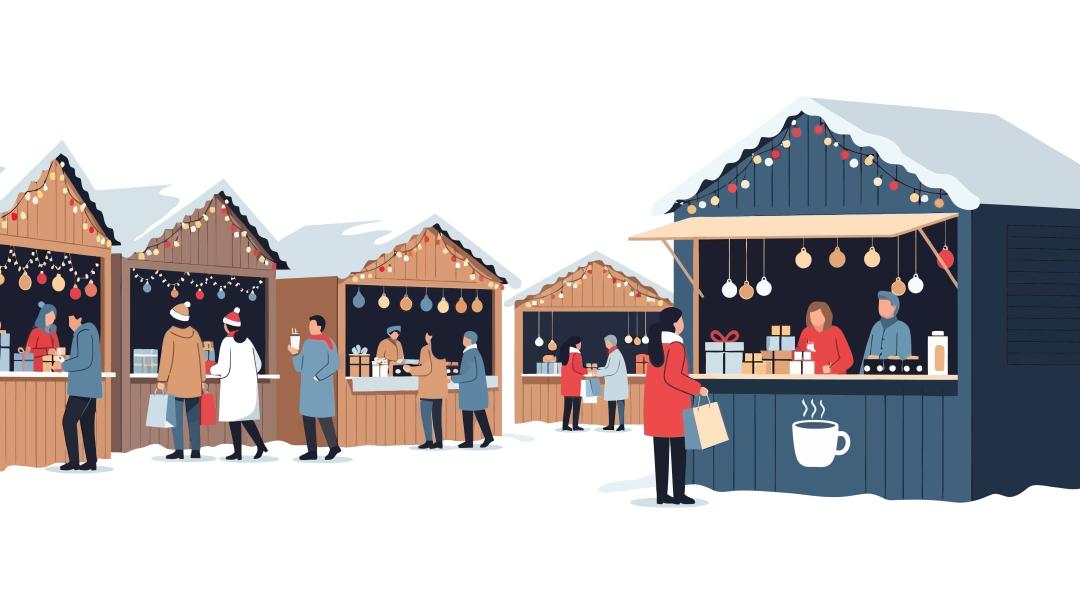
The same few habits help for a family restaurant, craft market or holiday you just heard about. Your next post won't read like a brochure.
Start With Your Own Experience
Say what you tried and why it stayed with you. "The lamb stew at a family-run Georgian place made me slow down" is an honest line. "The most authentic stew on earth" is backed up by nobody.
Leave out "authentic" unless somebody from that culture said it first. Describe what moved you instead. Readers will reach their own verdict. If you can't say why it mattered to you, hold off posting until you can.
Credit The People Behind It
Names matter: the cook's, the maker's, the musician's, the community's. Credit turns a passing trend into a relationship, and it sends attention where it should go.
The University of Wisconsin-Madison housing team shares reflection questions worth sitting with before you engage another culture. Do you understand the significance of what you're sharing? Are you honoring the culture or just copying it? Might your post feed a stereotype? Are you after real connection, or content for your feed?
Point People Toward The Source
Send readers to community-run spots, artisans and cultural events, not some generic knockoff. Buy direct from makers when you can. Mention where the family restaurant gets its ingredients or where a craft is taught, that sort of thing.
The Smithsonian's Cultural Vitality program sustains living cultural heritage by working with tradition bearers and community leaders. It's a good model for any recommendation: the people who carry a tradition tell its story.
A short trio of details usually does the job: the cook or maker, the place they work, and one way to support them directly. That's enough to send a reader in the right direction without turning your post into a lecture.
Leave Room For Nuance
No single person speaks for a whole culture, and no one dish represents a whole cuisine. Talk about one family's version, one region's style or one performer's take.
Compare "the way this family makes it" with "how it's done there." The first claims one household, while the second claims an entire country. Check names and pronunciations before posting. Unsure? Admit it. A line like "I'm still learning about this" earns more trust than any confident guess.
Know What Is Not Yours To Share
Plenty of traditions are sacred, private or meant for community members only. Ask before photographing a ceremony, filming a performance or describing a ritual, and respect a no.
When you get a yes, say who gave it. "Shared with the family's blessing" tells readers the story came with consent, and it shows anybody reading how it's done.
If a dish or performance is tied to a season, a rite or one family, say that context out loud instead of treating it like a menu item. A one-line note about when and why it's made gives readers the respect the tradition asks for.
Disclose Gifts And Perks
Did a tourism board pay for the trip, or a restaurant comp the meal? Readers should hear about it. According to the FTC's endorsement guidance, a connection they wouldn't expect gets disclosed clearly and somewhere they'll notice.
A simple line does it: "The restaurant invited me and covered the meal." Put it before your first impression, not after your recommendation, so readers can weigh everything that follows with that in mind. A free ticket, a borrowed outfit or a discounted class all count.
Listen When Someone Corrects You
Sooner or later, someone from the culture you're describing will say something's off. Thank them, fix the post and keep learning. That makes a recommendation better, with no shame in it.
Corrections can sting, especially in a public thread. Reply once, say what you changed, and let the conversation breathe. Pointing readers to the person who corrected you, with their permission, shows the community how it's done.
Bring Your Recommendations To Prugu
Our community loves sharing where they eat, listen, shop and travel. Worth a browse are Answers from real seekers and the Travel & Tourism category, and neighbors have plenty to say in Local.
Favorite festival, market or family recipe? Start a Seeker or write an Answer, and share the story behind it. People post product reviews on our platform, so a handmade find or market favorite fits right in.
FAQs
What is the difference between cultural appreciation and appropriation?
Appreciation means understanding, crediting and respecting the people who carry a culture. Appropriation means taking elements out of context, often for personal gain, without involving or crediting the community. A good test: are you giving credit and pointing attention at the source, or just borrowing the look and keeping the spotlight?
Can I recommend a culture I am not part of?
Yes. Most cultural exchange starts with someone sharing something they love. Be clear you're speaking from your own experience, credit the community, avoid sweeping claims about "all" members of a group and stay open to feedback. As a guest, your perspective counts, provided you describe it honestly.
How do I find community-run places to recommend?
Ask people who live there. Try local cultural centers, community event calendars, neighborhood groups and, on Prugu, whichever category fits. Locals tend to know the family-run restaurants, makers and events a quick online search never shows, and thanking them by name when you pass the tip along is a nice touch.
What if I can't find the name of the maker or cook?
Say so plainly, and describe where you found them. A line like "the woman at the corner stall didn't give her name" beats a guess. Ask on your next visit, and add the name to your post once you have it.
Join Prugu for free and share the story behind your favorite festival, market or family recipe.
This article is general guidance and not legal advice. Prugu is not affiliated with the organizations mentioned.