How To Write A Car Review People Will Trust: 7 Tips


Quick Summary
Trustworthy car reviews are built on context, specifics, and balance: state how long you have driven the car and how you use it, judge everyday comfort and costs, back opinions with real numbers, and give the flaws equal airtime. What decides whether readers believe you is whether you verify recall claims with official data, disclose loaners or dealer ties, and update the review as the miles add up. Readers research across several sites, so honest detail is what earns belief.
Writing a car review that readers trust starts with knowing how much homework they do. Buyers visit an average of 4.6 websites during their search, the 2025 Car Buyer Journey Study found, and roughly three-quarters of them use third-party sites.
There are plenty of opinions, all competing for attention. Believable beats flashy, so aim there. Seven tips follow, and every one of them works for a daily driver, a classic or a brand-new EV. None of them needs a mechanic's license.
Say Who You Are As A Driver
Context comes first. Say how long you've owned the car, how many miles it has and what you use it for, all up top. A commuter, a parent hauling car seats and a weekend road-tripper will each give the same vehicle a very different verdict.
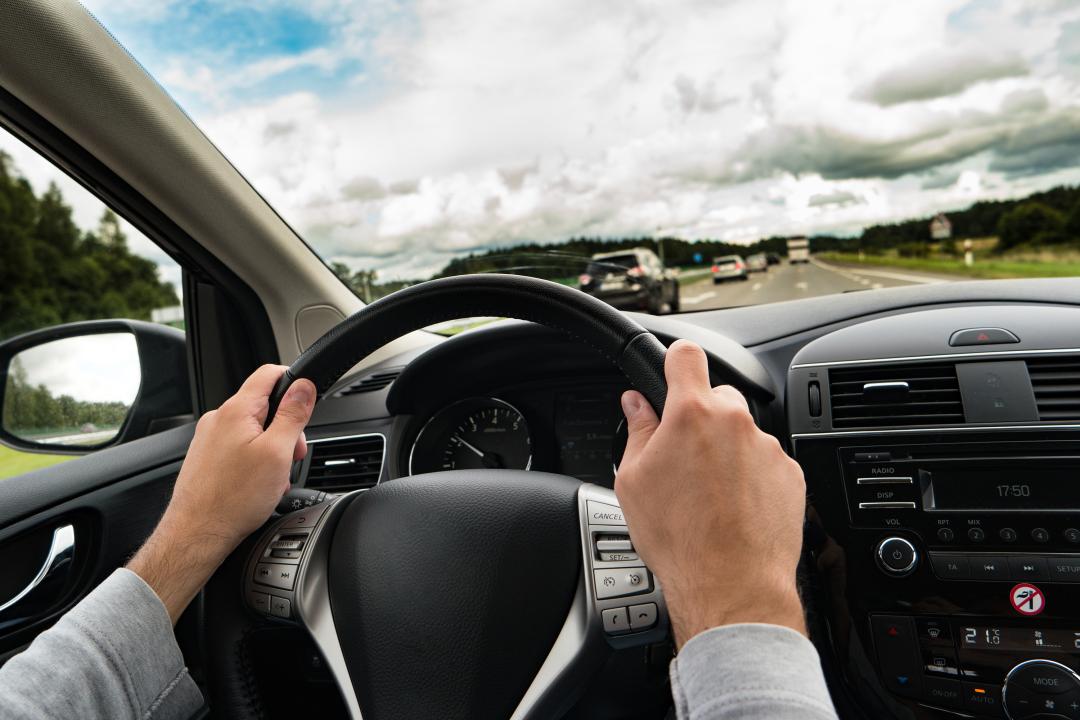
One line is enough: "14 months, 18,000 miles, mostly a 30-minute commute with two kids." Readers know right away whether your verdict applies to their life.
Judge The Everyday Stuff
Spec sheets cover horsepower. Your review should cover Tuesday morning. Talk about seat comfort after an hour, road noise on the highway, blind spots, cargo space and a touchscreen that lags, because those are what drivers live with.
Small details win trust. How the cupholders handle a big coffee or whether the rear seat fits a child seat without a fight are the lines readers remember.
Before you write, run a quick routine: sit in the back seat, load the trunk, plug in a phone and drive the road you drive every day. Whatever surprises you goes in the review.
Back Opinions With Numbers
"Great mileage" tells nobody much. "I averaged 31 mpg over 1,200 miles of mixed driving" tells a lot. Share fuel costs, service bills, tire wear and insurance changes when you have them, and say how you measured. Even honest, unflattering numbers show readers you kept track.
Round numbers can sound made up, so write what the odometer and receipts actually say, even when they look untidy. To check mileage yourself, fill the tank, reset the trip meter and fill up again at the next stop.
Give The Bad Along With The Good
No car is perfect, and readers know that. A review with only praise sounds like an ad. Describe flaws plainly, and say whether you could live with them.
Sort the flaws by size. A sticky glovebox is an annoyance, while a transmission that hesitates every morning could be a dealbreaker, and readers want to know which is which.
Check Facts Before You Claim Them
Recalls and safety claims need care. Anyone can check recalls by VIN through the National Highway Traffic Safety Administration, though its search won't show recalls already repaired or the newest announcements. If you mention a recall, say where you looked and when.
Don't declare a car "safe" or "dangerous" on a hunch. Report what you experienced yourself, and for everything else, point readers to official data. If a number came from a brochure or a salesperson instead of your own driving, label it that way.
Disclose Loaners, Perks, And Dealer Ties
Did a dealership lend you the car or discount a service? Do you work in the industry? Say so near the top. The FTC's endorsement guidance states that endorsements must be honest and not misleading, and a connection readers wouldn't expect should be disclosed clearly.
A single sentence does the job, such as "The dealership lent me this car for a week." Put it where readers will see it before your opinion, not under a pile of photos.
Come Back And Update
A car at 500 miles is not the same car at 30,000. Add updates after major service visits, a long road trip or a winter. Long-term notes are some of the most valuable reviews on any car page.
A dated note at the top, like "Updated at 30,000 miles," lets readers see how the story changed without hunting through the text.
Share Your Review On Prugu
Reviews work best with a conversation. See what other drivers are asking in the Automotive category, jump into Answers from the community, or write a full Post with photos and ownership notes.
Our platform is where people post product reviews, and your honest experience could be the Answer a shopper needs before signing the paperwork.
FAQs
How long should I own a car before reviewing it?
There's no minimum, but say how long you've driven it. First-week reviews work for ease of use and first impressions. Reviews after six months or a year say more about reliability and costs. A reasonable plan is to post once you know the basics, then add a dated update after your first long trip.
Should I mention the price I paid?
Yes. Price shapes whether a car feels like good value. Include the price you paid or the monthly payment range, new or used, and any incentives. Readers can compare your number against their own budget, and your verdict makes sense in context. Honest prices make a fair comparison and build trust.
Do photos make a car review more trustworthy?
Yes, when they're your own. The dashboard, the trunk with luggage or a worn seat bolster: photos of the actual car prove you spent real time with it. Skip stock images and glossy brochure shots. A short caption on each photo, explaining what it shows and why it matters, helps readers.
What should I leave out of a car review?
Leave out your full VIN, license plate, home address and anything private about the seller. Skip guesses about mechanical problems you can't confirm. Avoid insults aimed at salespeople. Stick to your own experience, the facts you can verify and what you'd tell a friend.
How to review a car dealership?
Review the dealership separately from the car. Describe the sales process, whether the quoted price matched the paperwork, how long the visit took and how follow-up questions were handled. Keep it factual: say what happened, not what you assumed.
Join Prugu for free and tell us how your car really drives.
This article is general guidance and not legal advice. Prugu is not affiliated with the organizations mentioned.