Why Kitchen Appliance Ratings Matter For Smart Buyers

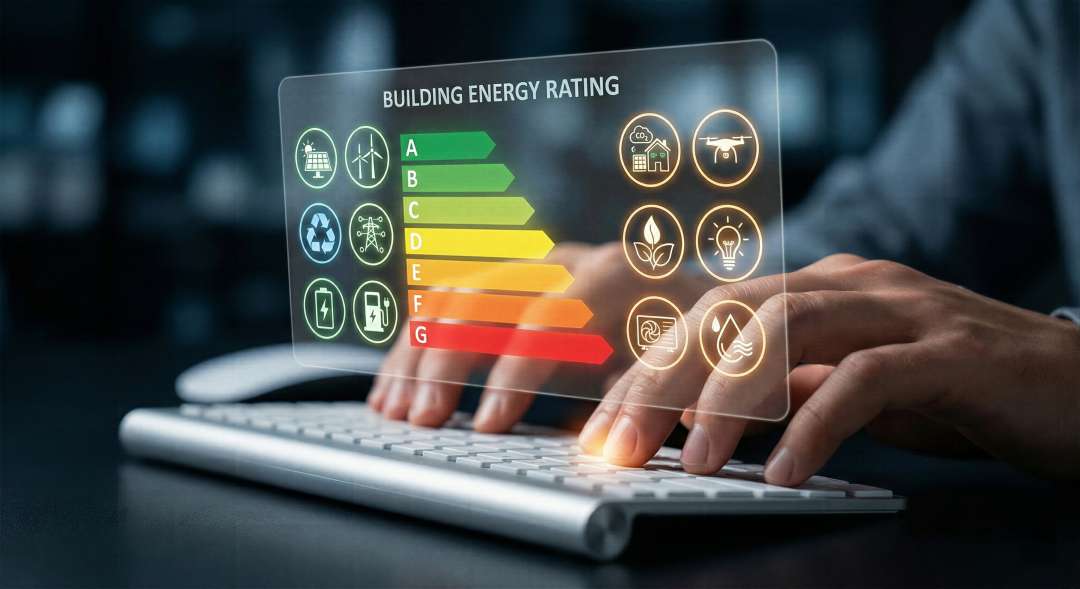
When making a purchase, especially for high-cost items like kitchen appliances, it is important to consider various factors. Kitchen appliance ratings offer insights into the performance, durability, and value of a product. For those seeking to make informed decisions, understanding how ratings and reviews play a role can significantly improve the shopping experience.
Importance of Kitchen Appliance Reviews
Kitchen appliances can differ widely in quality, price, and features. This is where product seekers, or individuals who research products before buying, benefit from electronics & tech reviews and ratings.
Appliances such as refrigerators, stoves, and dishwashers have become more advanced in recent years, making ratings an important tool for identifying which brands and models stand out. Reviews also help clarify what sets top products apart, answering the question: What are the best appliance brands for the kitchen?
Kitchen appliance reviews are a key resource for seekers who want to understand both the specifications and how products perform in real-world scenarios. Understanding these reviews allows smart buyers to make educated choices for satisfaction and value.
Understanding the Impact of Kitchen Appliance Reviews
Ratings create a window into a product’s actual performance. Reviews often detail how well appliances perform over time, highlighting issues such as reliability and ease of use. This feedback can be vital for those unfamiliar with a brand or model, especially when purchasing high-end items like smart refrigerators or advanced ovens.
When browsing ratings, buyers often look for patterns in the reviews. Are customers generally satisfied? Do the products live up to their marketing claims? A series of positive reviews can indicate a well-made appliance, while multiple complaints about a single issue might signal caution. It is this type of analysis that helps seekers make smarter decisions.
How to Use Appliance Ratings Effectively
To maximize the value of these ratings, consider the overall star count as well as the context behind those ratings. For example, a four-star appliance might have received praise for its features but could be criticized for a minor flaw in its design. A buyer who understands this nuance can make a decision based on how the flaw becomes a deal-breaker for their needs.
Moreover, some platforms offer verified buyer ratings, which can be more reliable than general reviews. These ratings make sure that the person reviewing the appliance actually purchased it, providing an added layer of trust. Smart buyers pay attention to the credibility of the rating system and the details of the reviews to make informed decisions.
Why Brand Reputation Matters in Appliance Ratings
The brand behind an appliance plays a vital role in the ratings it receives. Established brands often have a loyal following and have invested in quality control, leading to better ratings overall. While newer or lesser-known brands may offer competitive prices, their ratings might reflect less consistency in quality.
Buyers trust kitchen appliance brands with proven track records. Well-known names such as Whirlpool and KitchenAid had been in the market for decades and typically received higher ratings because of their consistent performance. As shoppers look for appliances built to last, they often turn to familiar and trusted brands for reassurance.
The Role of Features in Kitchen Appliance Ratings
A key component of ratings is the list of features each appliance offers. Buyers often seek appliances with innovative features such as energy efficiency, smart home integration, and user-friendly interfaces. These added functionalities can improve a product’s rating, as buyers are more likely to give high marks to products that make their daily lives easier.
When reviewing kitchen appliances, seekers often pay attention to how the features of one model compare to those of others. For instance, a stove with smart temperature controls or a fridge with a touch screen may earn higher ratings than simpler models. The availability of advanced features plays a major role in shaping overall satisfaction.
The Importance of Durability in Ratings
Durability is a major factor in the overall rating of a kitchen appliance. Appliances like dishwashers, refrigerators, and ovens are significant investments, and their ability to perform over many years affects how highly they are rated. A product that breaks down after a year or two will naturally receive low ratings, despite its initial appeal.
Smart buyers rely on reviews that mention durability, seeking long-term feedback on the appliance’s performance. Kitchen appliance reviews in 2025 often highlighted how products hold up after months or even years of use. These reviews gave prospective buyers a realistic expectation of an appliance's lifespan, which is integral for making a smart purchase.
How Energy Efficiency Affects Ratings
Energy efficiency is an important consideration when rating kitchen appliances. Products that help reduce electricity or water consumption are often rated higher due to their environmental and cost benefits. Buyers are increasingly aware of their ecological footprint and utility bills, making energy-efficient appliances a popular choice.
When reviewing appliance ratings, smart buyers often prioritize energy-efficient models, as these help save money in the long run. Features such as ENERGY STAR certifications or eco-friendly settings often influence higher ratings, making energy efficiency a key factor in purchasing decisions.
Smart Kitchen Appliances and Their Ratings
The rise of smart kitchen appliances has added a new dimension to appliance ratings. These products often come with features like remote control via smartphone apps, voice assistant compatibility, and integration with other smart home devices. As a result, ratings now reflect performance as well as the convenience and innovation offered by these products.
For example, a smart oven with precise temperature control that can be managed remotely through a mobile app may earn higher ratings than a traditional oven. Seekers interested in smart appliances should look for reviews that discuss how well these high-tech features actually work in day-to-day use.
User Experience and Ease of Use in Ratings
The user experience is another important factor influencing appliance ratings. Kitchen appliances that are easy to use and come with clear instructions tend to receive higher marks. Complicated interfaces or products that are difficult to operate can lead to frustrated customers and lower ratings.
Reviews often discuss the ease of setup, installation, and day-to-day usage. When seeking an appliance, buyers should prioritize those with intuitive designs and functionalities. A positive user experience is a significant determinant in how an appliance is rated and reviewed by customers.
Customer Support and Warranty Influence Ratings
Customer support and warranty services can have a significant impact on appliance ratings. A product with excellent customer support and a generous warranty is often rated more highly because it reassures buyers about the brand’s commitment to resolving issues. In contrast, poor customer service or limited warranty options may lower ratings.
Smart buyers often seek appliances that come with solid customer support and long-term warranties. Seekers value these aspects because they know they will have peace of mind knowing that issues can be easily addressed if they arise.
How to Compare Appliance Ratings Across Platforms
When looking at appliance ratings, buyers should avoid relying on a single platform. Comparing ratings across different websites, from major retailers like Amazon to specialized appliance review sites, gives a more rounded view of the product. Each platform may offer a different perspective based on the type of feedback it gathers.
Looking at diverse sources allows seekers to assess if certain features or issues are consistent across multiple platforms. It also helps to identify if a specific appliance is consistently praised or criticized across various customer bases, leading to more confident purchasing decisions.
Understanding Negative Reviews in Appliance Ratings
Not all reviews are positive, and negative feedback is an important part of the rating system. While a few negative reviews may be due to isolated incidents, consistent complaints about performance, quality, or customer service can bring valuable insights. Buyers should not overlook negative reviews, as they can prevent making poor purchasing decisions.
When analyzing ratings for kitchen appliances, smart buyers carefully read negative reviews to understand the nature of any issues. If multiple buyers report the same problems, it could indicate a widespread defect, signaling the need for caution.
The Future of Kitchen Appliance Ratings
As technology evolves, so do kitchen appliances, and the way they are rated will also change. In the future, buyers may be able to access even more detailed information, such as real-time performance data or virtual demonstrations of products. The growth of smart appliances will likely lead to new rating systems that prioritize factors like integration with other devices or compatibility with emerging tech.
As new technologies emerge, seekers will continue to rely on ratings to help navigate these innovations. Buyers can expect future ratings to reflect the growing importance of connectivity and smart features in kitchen appliances.
Why Ratings Matter for the Smart Buyer
Kitchen appliance ratings offer valuable insights into a product’s performance, durability, and features. For seekers who want to make informed, intelligent purchasing decisions, understanding how to use these ratings can make all the difference. As e-commerce continues to grow, reviews will become even more important for guiding smart buyers.
Make Smart Purchases with Prugu
If you want to make smarter product decisions, visit Prugu to discover more helpful product reviews and join the conversation. Sign up now, engage with content, and share your own insights.